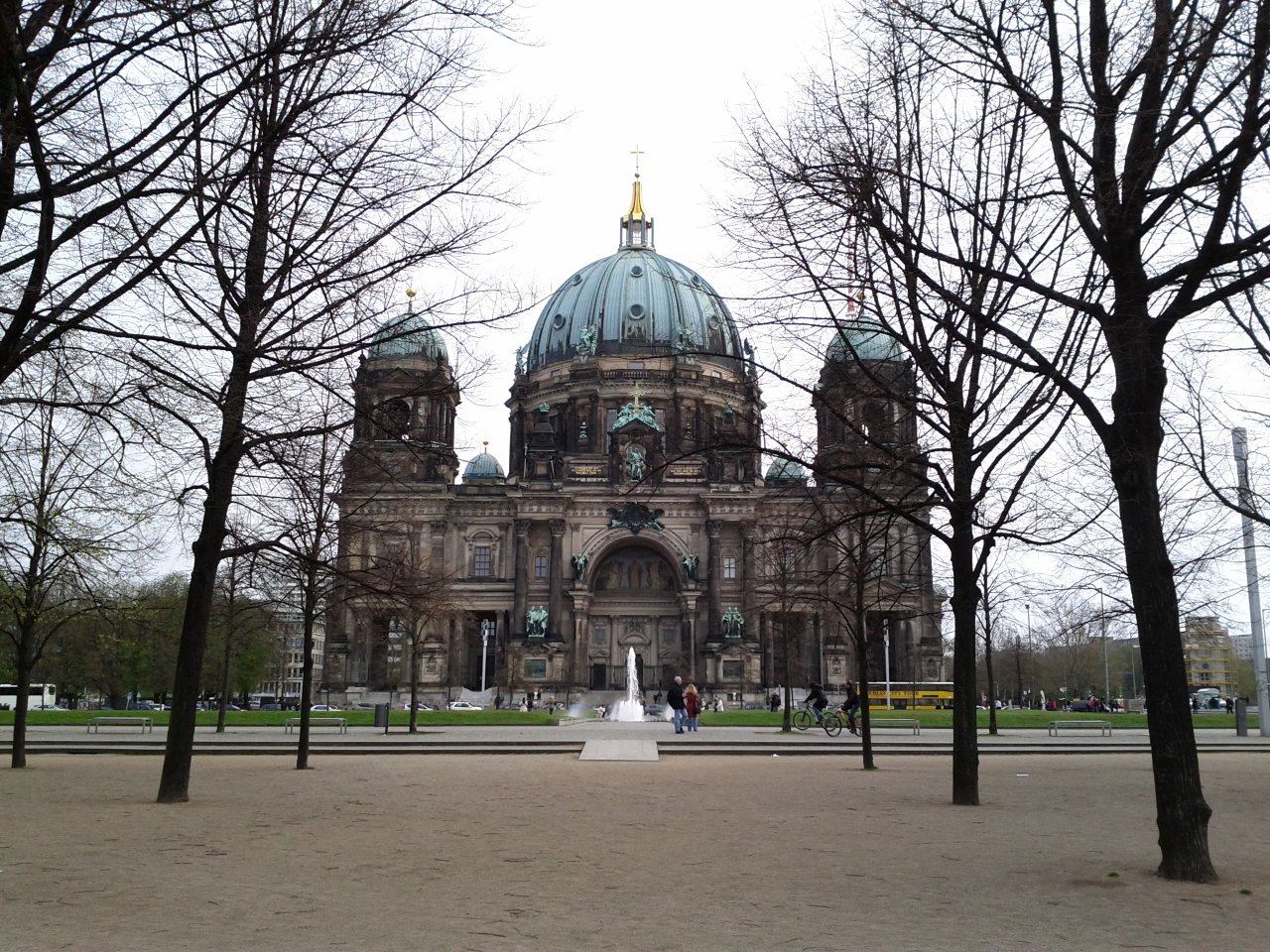
State Of Berlin Cluster Route 1

State of Berlin Cluster Route 1 guides visitors through notable Berlin landmarks including the Berlin Cathedral, Brandenburg Gate, and Reichstag, showcasing the city's history and architecture.

The State of Berlin Cluster Route 1 offers a journey through significant landmarks in Berlin, Germany. The route encompasses locations such as wMPO3Yet1X, fKzacgTZqY, HwSy2af4MW, V8KDN63lz5, m3sMsOblvZ, ddebVRtDag, SF54Nxl5uf, lqGPvDk6d2, ofE9oa6Lo9, kgInq5AHhl, x6MWjC3N5k, and qQERsMxyOQ. It also touches upon themes relating to 6dZ11sJaYV, IMK5fIR0JJ, rP1n3Yeutc, A9RBKIA6HG, E3xGpS84VS, I0bqAxNQbI, aMEPsniV9u, efPWcEn2Zt, and ltxWeZRxMl.

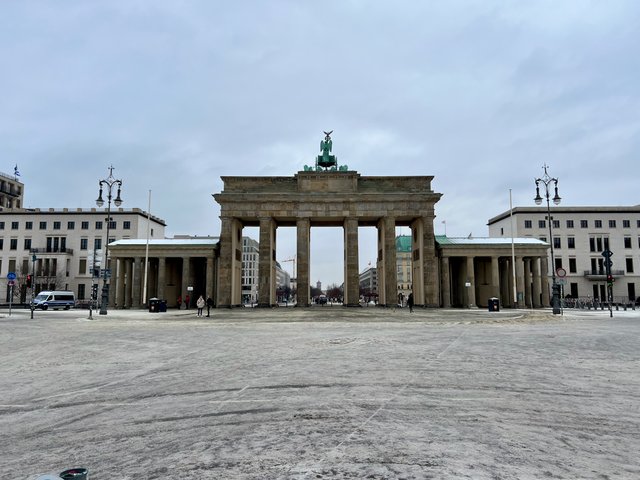
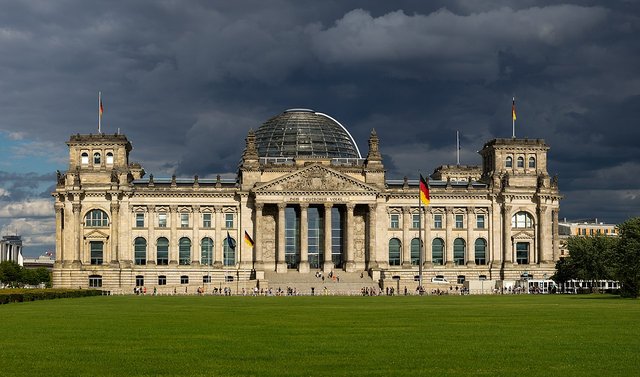
Notable stops along the route include the Berlin Cathedral, which opened in 1905 and demonstrates architecture related to wikidata/Q69715, and the Marienkirche (Berlin-Mitte), a church exhibiting Brick Gothic architectural style. Further along, you’ll encounter the Brandenburg Gate, designed by wikidata/Q313181 and opened in 1791, and the Reichstag, located in the Tiergarten.

The Kaiser-Wilhelm-Gedächtniskirche, with its inception in 1891, is also a stop, as is the Siegessäule, erected in 1873. Each of these landmarks offers a unique perspective on Berlin’s history and architectural heritage.

Route timeline

Berlin Cathedral
Stop 1

Berlin Cathedral

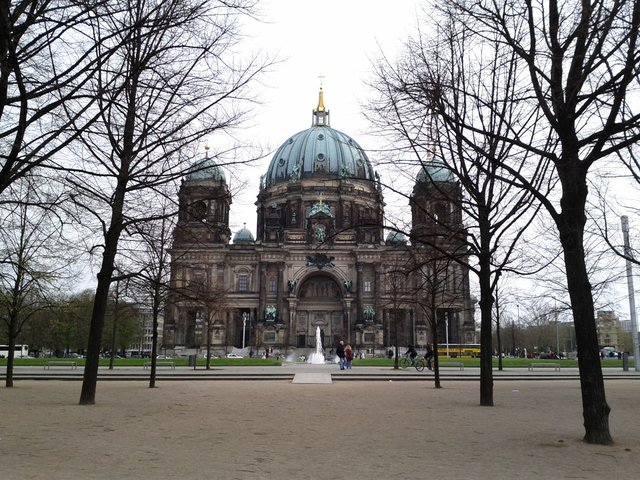
Berlin Cathedral, officially named Berliner Dom, is a neo-renaissance and neo-baroque church located in Berlin-Mitte, Germany, that opened in 1905 and stands approximately 98 meters tall.

Next leg: 400 m
Marienkirche (Berlin-Mitte)
Stop 2

Marienkirche (Berlin-Mitte)

The Marienkirche, a Brick Gothic church constructed around 1380, is located in Berlin-Mitte and serves as a place of worship and cultural heritage monument.

Next leg: 110 m
Brandenburg Gate
Stop 3

Brandenburg Gate

The Brandenburg Gate, a Greek Revival monument in Berlin's Dorotheenstadt neighborhood, opened to the public in 1791 and stands approximately 26 meters tall.

Next leg: 3.3 km
Reichstag
Stop 4

Reichstag

The Reichstag, located in Berlin, Germany, is a government building opened in 1894 and featuring Renaissance Revival and modern architectural styles.

Next leg: 7.5 km
Kaiser-Wilhelm-Gedächtniskirche
Stop 5

Kaiser-Wilhelm-Gedächtniskirche

The Kaiser-Wilhelm-Gedächtniskirche, located in Charlottenburg, Germany, was originally built in 1891 and is recognized as a significant cultural and architectural heritage monument.

Next leg: 1.5 km
Siegessäule
Stop 6

Siegessäule

The Siegessäule, a Neoclassical monument designed by Heinrich Strack and constructed in 1873, stands in Berlin's Tiergarten district.

Next leg: 1.8 km
Neptunbrunnen
Stop 7

Neptunbrunnen

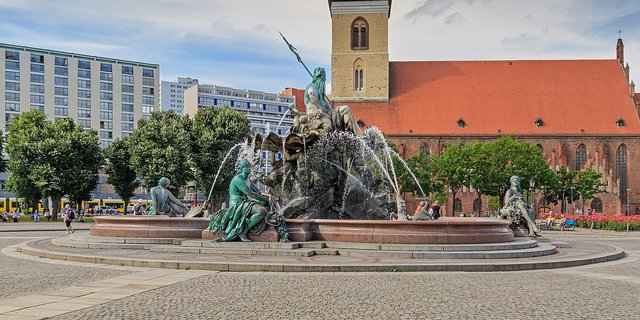
The Neptunbrunnen, a baroque revival fountain designed by Reinhold Begas, is a notable attraction in Berlin's Mitte district, constructed in 1880.

Next leg: 280 m
Goethe Monument
Stop 8

Goethe Monument

The Goethe Monument, created by Fritz Schaper in 1880, is a memorial to writer Johann Wolfgang von Goethe located in Berlin's Großer Tiergarten.

Next leg: 290 m
French Cathedral
Stop 9

French Cathedral

The French Cathedral, or Französischer Dom, is a Neoclassical church located in Berlin's Bezirk Mitte district and designated a cultural heritage monument.

Next leg: 180 m
equestrian statue of Frederick the Great
Stop 10

equestrian statue of Frederick the Great

The equestrian statue of Frederick the Great, created by Christian Daniel Rauch and completed in 1851, is a cultural heritage monument located in Berlin-Mitte, Germany.

Next leg: 910 m
Memorial to the Murdered Jews of Europe
Stop 11

Memorial to the Murdered Jews of Europe

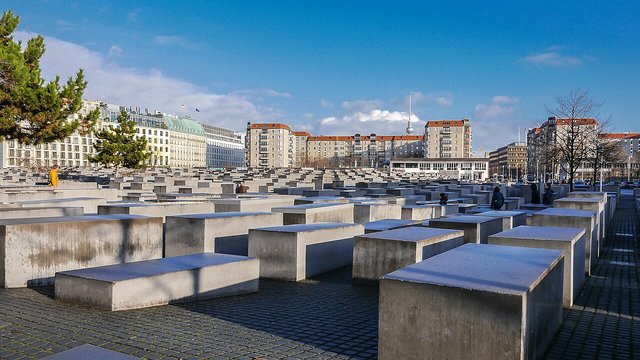
The Memorial to the Murdered Jews of Europe, designed by architect Peter Eisenman, is a Holocaust memorial located in Berlin's Mitte district and opened to the public in 2005.

Next leg: 320 m
Oberbaum Bridge
Stop 12

Oberbaum Bridge

The Oberbaum Bridge, a cultural heritage monument in Berlin, connects the districts of Kreuzberg and Friedrichshain.