The North Rhine Westphalia Cluster Route 2 encompasses several notable locations, including Cologne Cathedral, St. Gereon’s Basilica, an equestrian statue of Frederick William III, and St. Gereon. This route explores places within Germany, and touches upon themes of architecture and history.
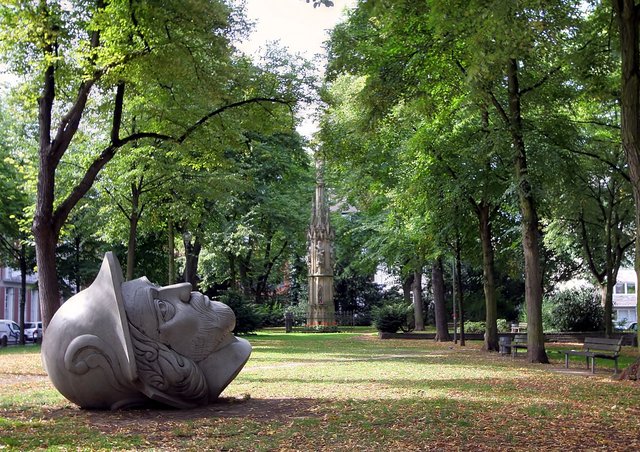
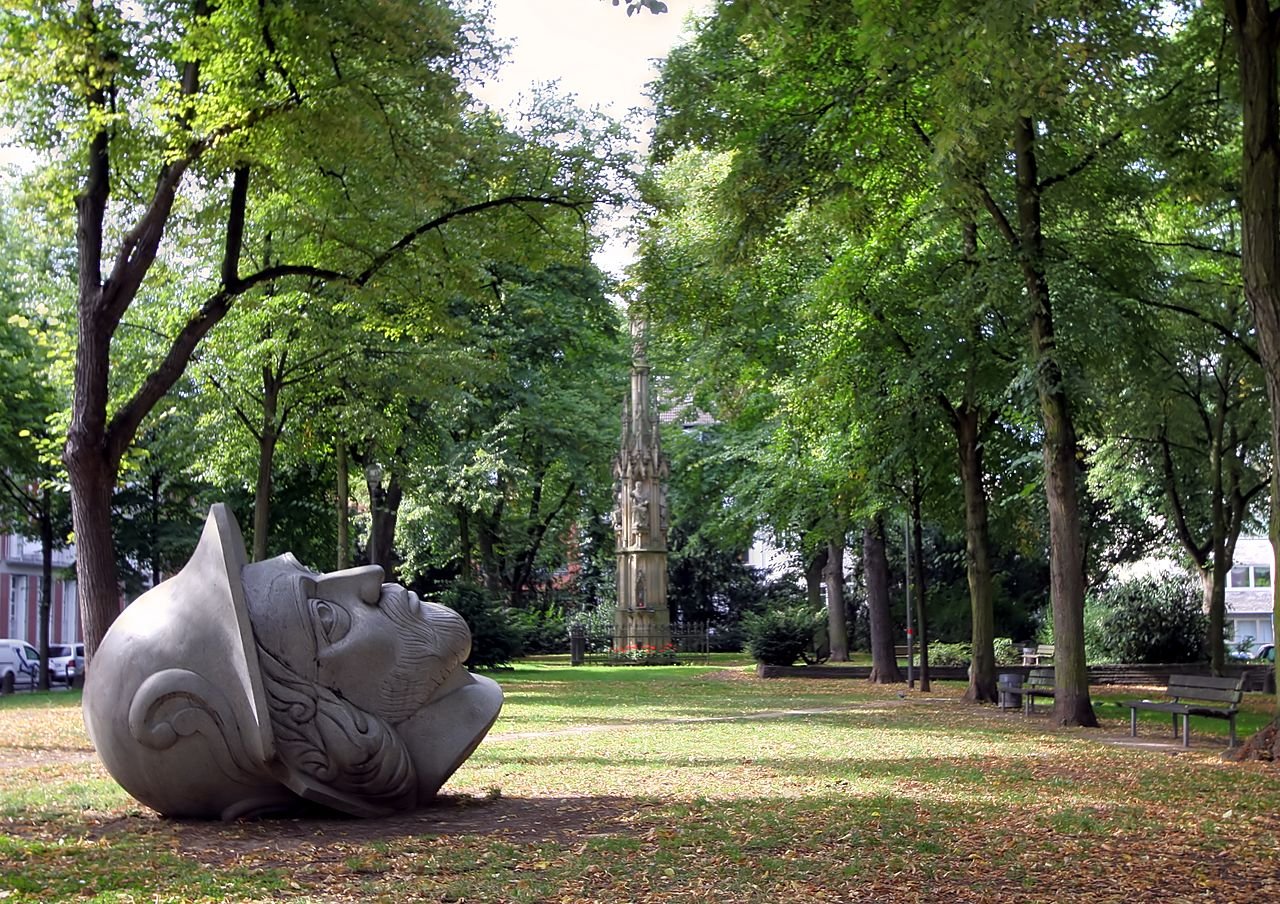
Cologne Cathedral, with its construction beginning in 1248 and completion in 1880, is a prominent example of Gothic architecture. St. Gereon’s Basilica, located in the Altstadt-Nord district of Germany, is another significant stop. The equestrian statue of Frederick William III is also situated in Altstadt-Nord. St. Gereon, created by Iskender Yediler in 2005, is another featured location.
The route highlights examples of different architectural styles. Gothic architecture is represented by Cologne Cathedral, while Romanesque architecture can be found elsewhere in Germany.
Exploring this route offers a glimpse into German history and architectural heritage, encompassing sites from various periods and styles.